
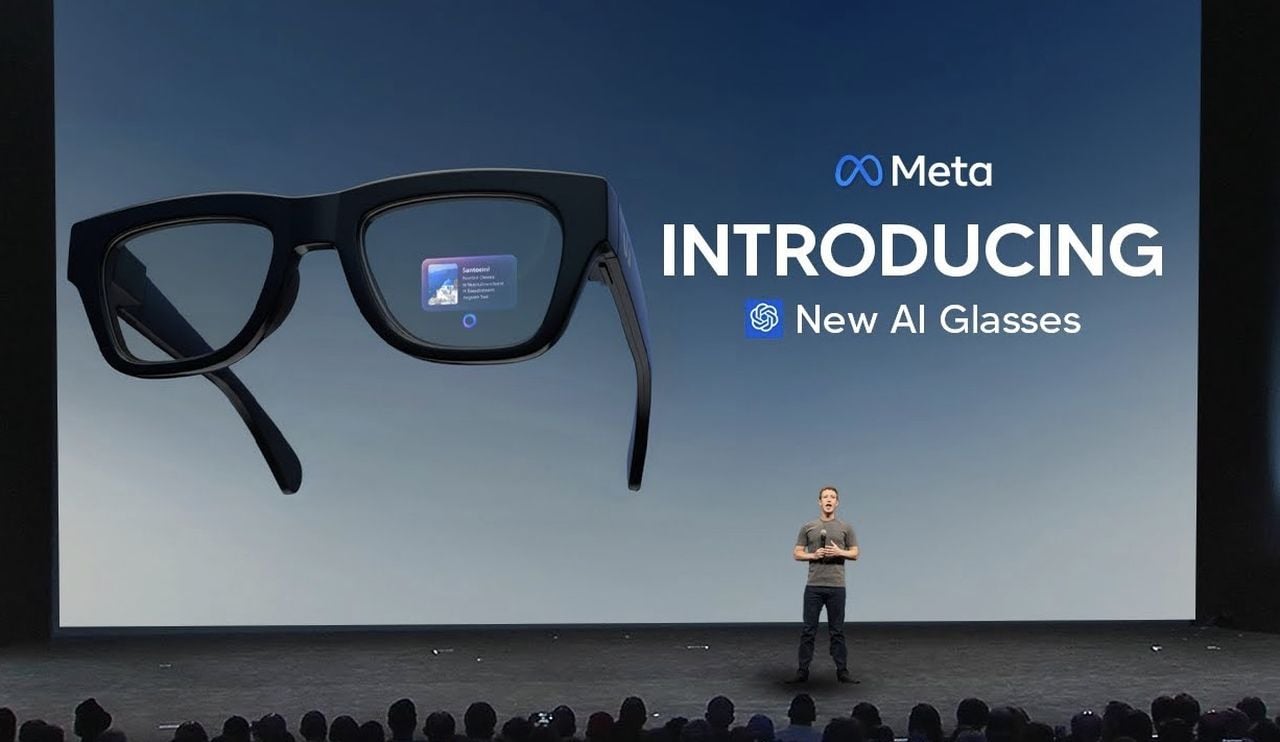
MENLO PARK, Calif. September 23, 2026 – Meta Platforms is preparing to showcase its latest vision for the future of artificial intelligence and consumer hardware at its annual Connect conference, where CEO Mark Zuckerberg will deliver a keynote from the company’s headquarters.
The event comes at a pivotal moment: Meta is pouring billions into AI innovation while facing intensifying scrutiny over privacy, youth safety, and regulatory challenges worldwide.
Muse: Meta’s First Consumer AI Agent
Earlier this month, Meta unveiled Muse, its first agentic app designed to act as a digital personal assistant.
Muse allows users to link personal accounts, from banking and healthcare to shopping, and then delegate tasks such as booking appointments, signing up for services, or even making calls.
The app is powered by Meta’s proprietary AI models and is positioned as a direct competitor to OpenAI’s ChatGPT and Anthropic’s Claude.
Partnerships with Instacart, Shopify, and Expedia have already been announced, integrating their services into Muse’s ecosystem. However, not all companies are on board. Amazon recently blocked Meta from using AI bots to shop automatically on its platform, highlighting the friction between tech giants as they compete for power of AI-driven commerce.
For Meta, Muse represents more than just a consumer tool. It signals a strategic push to diversify revenue streams beyond advertising by embedding AI into transactional flows.
Analysts note that if Muse-driven commerce scales successfully through partners like Shopify, it could reshape Meta’s business model by turning attention into checkout.
Smart Glasses: Innovation Meets Controversy
Meta’s hardware ambitions extend beyond software. Since launching its first interactive smart glasses in 2021, the company has steadily advanced its wearable lineup.
Last year, Meta introduced augmented reality “display” glasses capable of projecting images directly onto lenses. Earlier this year, it released self-branded AI glasses, alongside its ongoing partnership with eyewear giant EssilorLuxottica, which produces Ray-Ban-branded Meta glasses.
Yet the novelty of these devices has been overshadowed by privacy concerns. Critics have derisively labeled them “pervert glasses”, raising alarms about covert recording in public spaces.
At last year’s Connect, Meta’s chief product officer Chris Cox dismissed such concerns, arguing that “social norms” would eventually form around the use of smart glasses.
In response to criticism, Meta has added safeguards: a recording indicator light that must remain visible when cameras are active. Any attempt to tamper with the light disables the camera entirely.
Reports also suggest Meta is developing audio-only glasses and a new generation of mixed reality eyewear, signaling that the company sees wearables as a cornerstone of its future ecosystem.
Regulatory and Legal Challenges
While Meta pushes forward with AI and hardware, it faces mounting legal battles. In August, the company reached a landmark settlement with dozens of U.S. attorneys general over allegations that it violated consumer protection and children’s online privacy laws. Meta agreed to pay up to $18 billion in fines and implement stricter safeguards for teenage users.
Globally, Meta is contending with restrictions and outright bans on social media access for younger audiences. Thousands of personal injury lawsuits tied to youth harm are also moving through U.S. state courts. Meanwhile, European regulators are probing Meta’s AI glasses, underscoring the tension between innovation and compliance.
For investors, this dual narrative is critical: on one hand, Meta is building new revenue streams through AI-powered commerce and subscriptions; on the other, it faces escalating costs and risks from regulatory pushback. Analysts suggest that the company’s valuation hinges on whether its AI initiatives can scale without triggering further legal issues.
The Connect Conference: A Crucial Test
Zuckerberg’s keynote at Connect 2026 will be closely watched for signs of how Meta intends to balance innovation with responsibility.
The company has already positioned Muse as a flagship product for the AI era, but questions remain about adoption, partnerships, and regulatory acceptance.
The hardware side of the presentation is equally important. Meta’s smart glasses have the potential to redefine consumer interaction with digital content, but privacy concerns could stall mainstream adoption.
The rumored audio-only and mixed reality glasses may offer new use cases, yet they will likely face the same scrutiny that has dogged earlier models.
The Bigger Picture
Meta’s trajectory illustrates the broader challenges facing Big Tech in the AI age. Companies are racing to embed AI into everyday life, from personal assistants to wearable devices, but regulators are equally determined to ensure consumer protections keep pace.
For Meta, the stakes are particularly high: its business straddles social media, commerce, and hardware, making it vulnerable to scrutiny across multiple fronts.
The French probe into AI glasses and the U.S. settlement over youth privacy highlight the fragility of Meta’s narrative. At the same time, partnerships with Shopify and other commerce platforms show the company’s determination to move closer to transactions and diversify beyond ads. The outcome of this balancing act will determine whether Meta’s AI-driven future is sustainable or whether it becomes mired in legal and social backlash.
Conclusion
As Meta kicks off Connect 2026, the company stands at a crossroads. Muse represents a bold step into consumer AI, while smart glasses showcase its hardware ambitions. Yet privacy concerns, youth safety issues, and regulatory probes cast long shadows over these innovations.
Leave a Reply